Radiant Heating System Costs: Is It Worth the Investment?
If you're tired of cold floors, uneven heating, or the constant hum of air vents, radiant heating might sound like the upgrade you've been looking for.
But before you commit to this luxurious-sounding system, you're probably wondering what it really costs and whether it's actually worth it. The answer depends on a few critical factors: your home, your budget, and your long-term goals.
Let’s break it all down so you can decide if radiant heating is just a nice idea or a smart investment.
What Is Radiant Heating and How Does It Work?
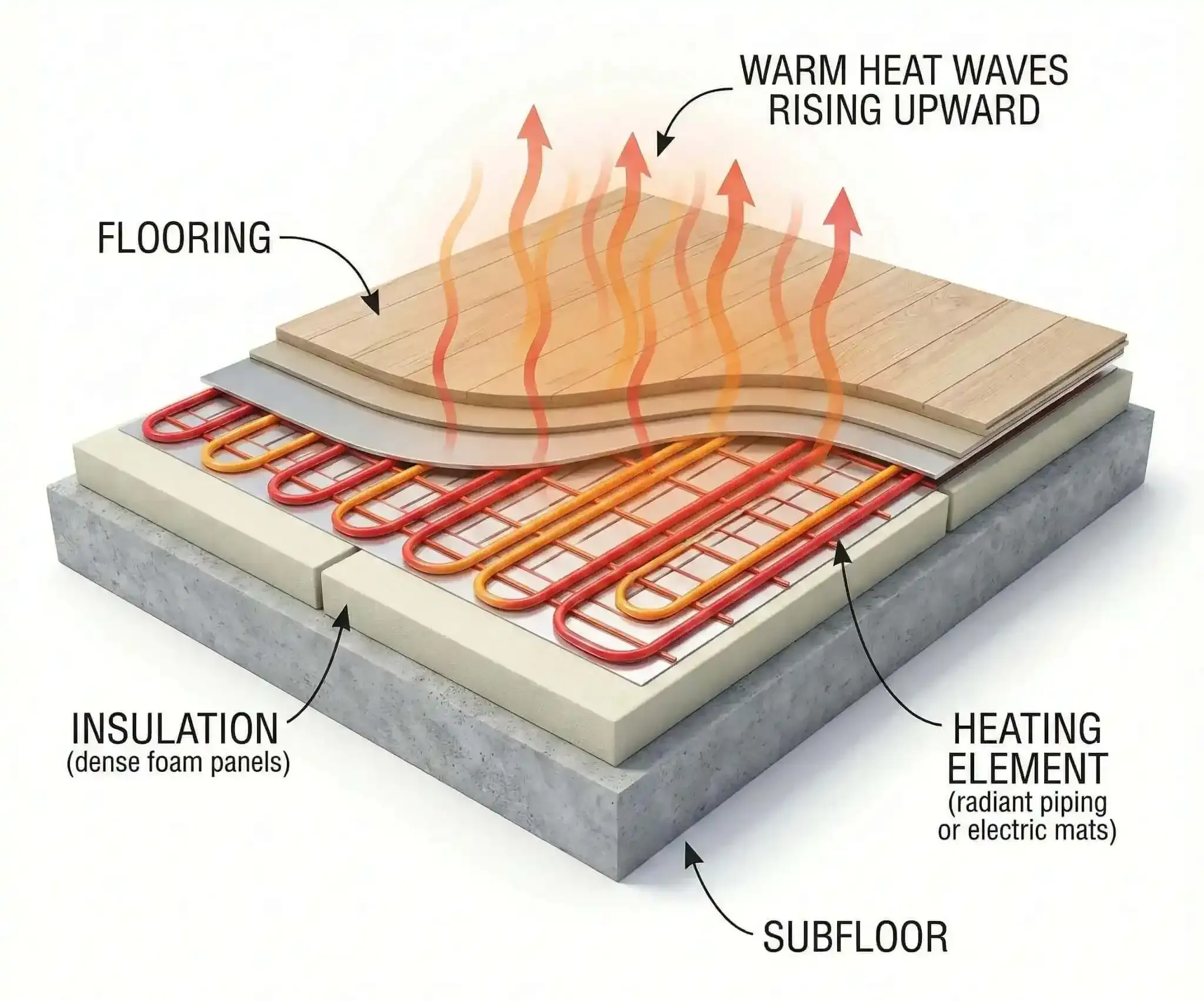
Radiant heating is a system that warms your home from the ground up, literally!
Instead of blowing heated air through vents, like a traditional HVAC system, radiant heat travels through floors and rises gently throughout your space. It works by transferring warmth directly to objects and people, not just the air.
How It Works
There are two main types of radiant heating systems:
- Electric radiant heating: Uses electric cables or mats placed beneath the floor. These are connected to your home’s electrical system and heat up when powered on.
- Hydronic radiant heating: Uses heated water pumped through plastic tubing embedded under the floor. A boiler or water heater heats this water and then circulates it in a closed-loop system.
In both types, heat radiates upward, creating a consistent, cozy warmth across the entire floor. Because the heat starts at your feet, rooms often feel warmer even at lower thermostat settings, saving energy and reducing utility bills.
This method also avoids common issues like cold spots, air drafts, and dust circulation, making it a preferred choice for those with allergies or asthma.
Types of Radiant Heating Systems
If you’re thinking about radiant heating, it’s important to choose the right type for your needs. Each system has unique costs, installation processes, and ideal use cases.
Electric Radiant Heating
Electric systems use thin heating wires or mats that are typically installed under tile, laminate, or engineered wood flooring. They're often chosen for:
- Bathrooms
- Kitchens
- Small rooms or additions
Electric radiant systems are generally easier and cheaper to install, especially in remodels or single-room projects. However, they tend to have higher operating costs, which makes them less ideal for whole-house heating.
Pros:
- Quick and easy to install
- Ideal for renovations or small rooms
- Pairs well with smart thermostats
Cons:
- Costly to run long-term in large spaces
- Best used as a supplementary heating source
Hydronic Radiant Heating
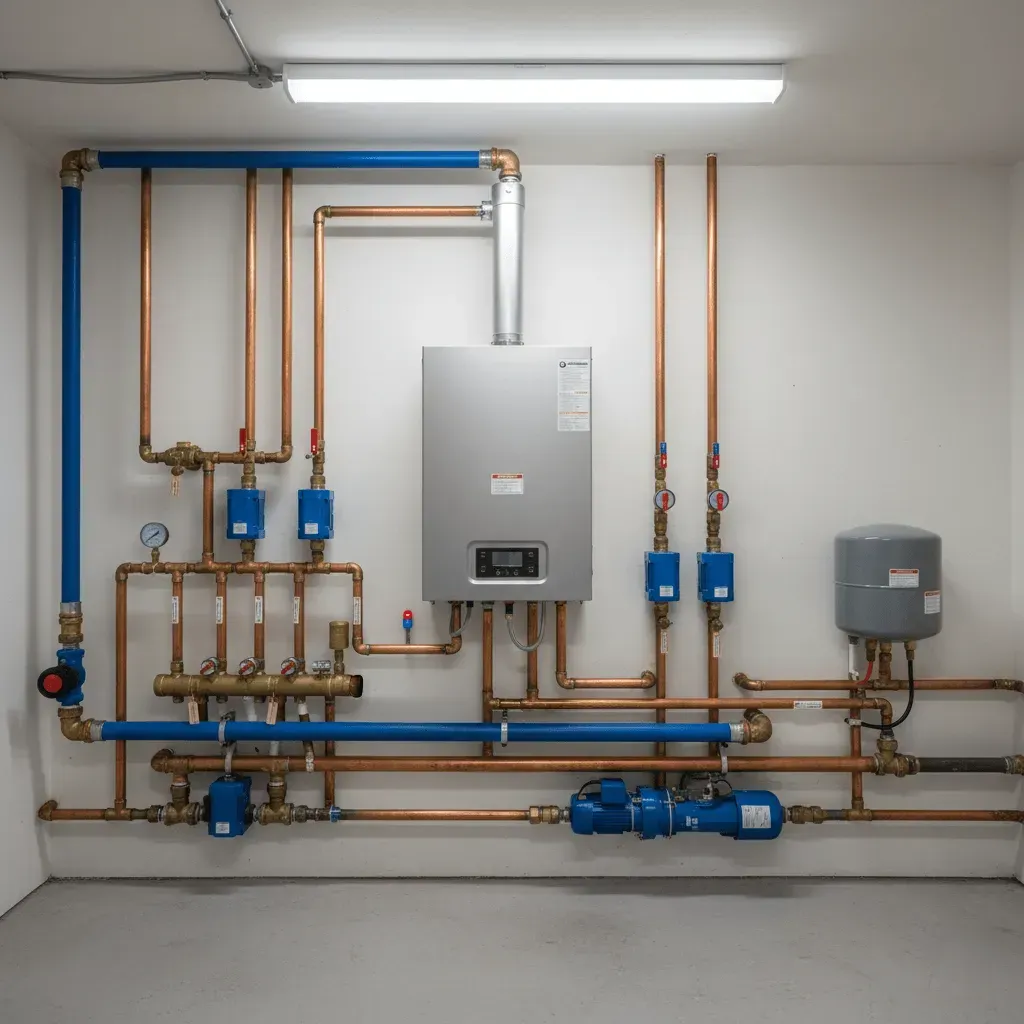
Hydronic systems circulate heated water through flexible plastic tubing, typically embedded in a concrete slab or under subfloor panels. These systems are more efficient and cheaper to operate over time, especially in larger homes.
Hydronic radiant heating is more suited for:
- New constructions
- Whole-home systems
- Homes in cold climates
Pros:
- Very efficient for large spaces
- Lower operating costs over time
- Long-lasting and low maintenance
Cons:
- Higher upfront cost
- More complex to install
- Requires a boiler or water heater
Since hydronic radiant systems rely on hot water circulation, it helps to understand how water heaters and boilers work together to power home heating systems.
Initial Installation Costs
So, how much does it actually cost to install a radiant heating system?
The answer depends on a few things: your home size, the type of system, and whether you're building new or retrofitting an older house.
Cost Per Square Foot
Here’s a general breakdown of what you can expect to pay:
System Type
Installation Cost (per sq ft)
Electric Radiant
$8 – $15
Hydronic Radiant
$10 – $20
These prices include materials and labour. However, retrofit installations (adding radiant heat to an existing home) can be significantly more expensive because they require removing and replacing flooring.
Whole-Home vs Single-Room Installations
If you’re just heating one room, like a bathroom, you can expect to pay:
- Electric radiant heat: $600 – $1,500
- Hydronic radiant heat: $1,000 – $2,500
For a full-house system, costs rise quickly:
- Hydronic system for entire home: $20,000 – $50,000
- Electric system (not recommended for whole-home use): $15,000+
Keep in mind, these are average ranges. Labor rates and material choices can shift costs up or down.
For homeowners comparing alternatives, this guide on furnace installation costs offers a useful side-by-side comparison against radiant heating.
Room-by-Room Installation Costs
If you're not ready to invest in radiant heating for your entire house, you’re not alone. Many homeowners choose to install it in specific rooms where it makes the most impact, often starting with bathrooms, kitchens, or basements.
Bathroom
Radiant heat in a bathroom is one of the most popular choices. It adds that “spa-like” feel and keeps your feet warm on cold tile.
- Average cost: $600 – $1,200 (electric)
Kitchen
Kitchens tend to have cold floors, especially with tile or stone. Radiant heat can keep the space warm without using extra space for radiators or vents.
- Average cost: $1,500 – $3,000
Living Room or Open Spaces
If you’re heating a larger area like a living room or open-concept space, costs rise accordingly. Hydronic systems are usually better for these applications.
- Average cost: $3,500 – $8,000
Basement
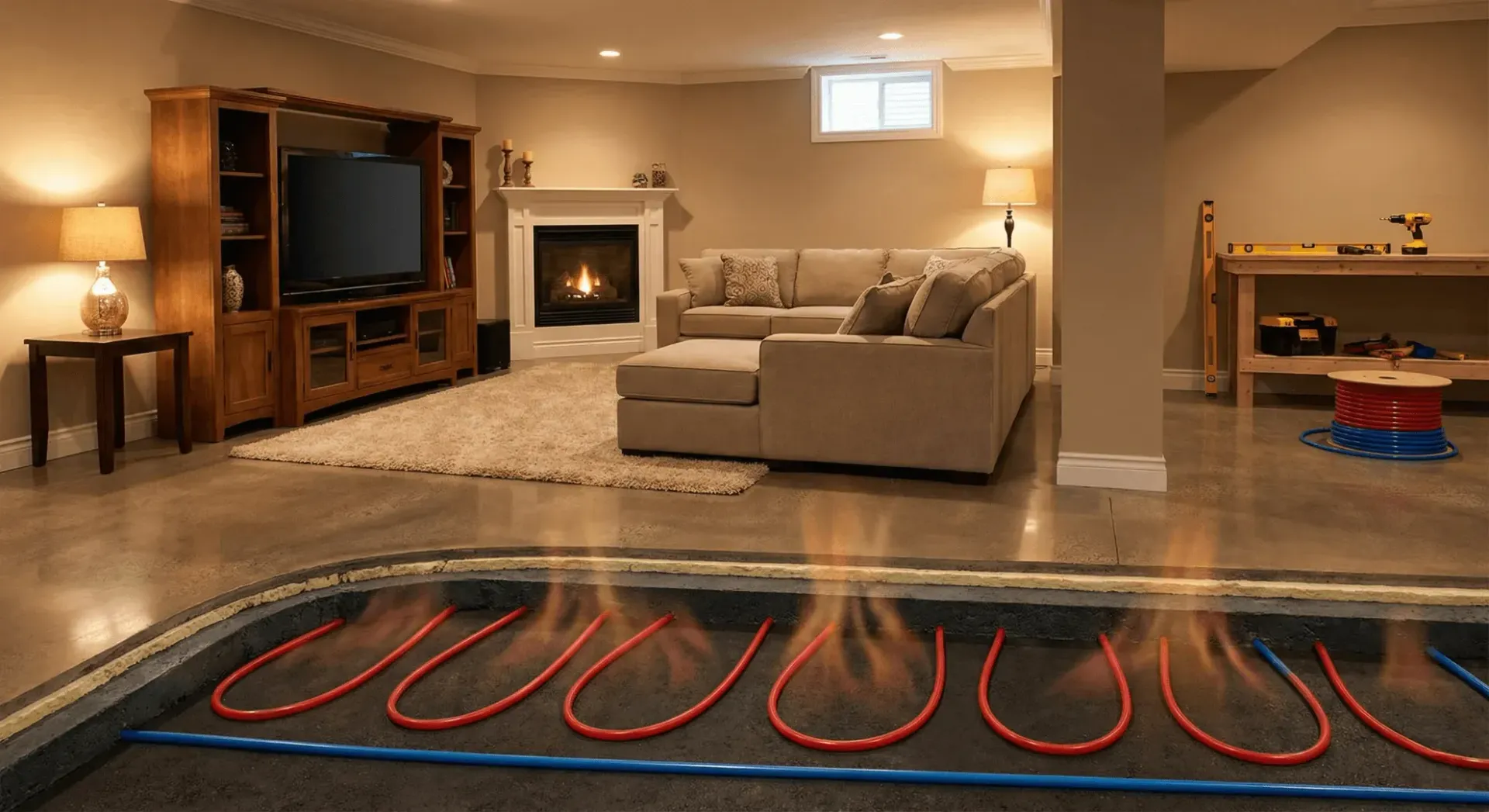
Since basements tend to be chilly and are often built on concrete slabs, radiant heat works exceptionally well here, especially hydronic.
- Average cost: $2,000 – $5,000
Radiant Heating vs Traditional Heating
To decide if radiant heating is worth it, you need to compare it with the systems most people already use: forced-air furnaces, baseboard heaters, and heat pumps.
Here's how radiant heat stacks up.
Energy Efficiency
Radiant heating is often 15% to 30% more efficient than forced-air systems. That's because:
- There’s no heat lost through ducts
- Lower operating temperatures are needed
- Heat is delivered precisely where it’s needed—the floor
Air Quality and Noise
Since radiant heating doesn’t move air around, it doesn’t circulate dust, allergens, or pet dander. It also runs silently, unlike the whoosh of forced air or the hum of baseboard units.
Comfort Level
Radiant heating provides even warmth from floor to ceiling, with no hot or cold spots. Traditional systems often heat unevenly and rely on thermostats that only measure air temperature, not how the room feels.
Maintenance Needs
Radiant systems require less maintenance overall. Hydronic systems might need occasional checks, but there are no filters to replace or ducts to clean. Electric systems are almost maintenance-free once installed.
Cost Comparison
| Feature | Radiant Heating | Forced-Air Furnace |
|---|---|---|
| Efficiency | High | Moderate |
| Air Quality | Excellent | Poor to Moderate |
| Noise Level | Silent | Noticeable |
| Upfront Cost | Higher | Lower |
| Maintenance | Low | Moderate to High |
Energy Savings and Efficiency Over Time
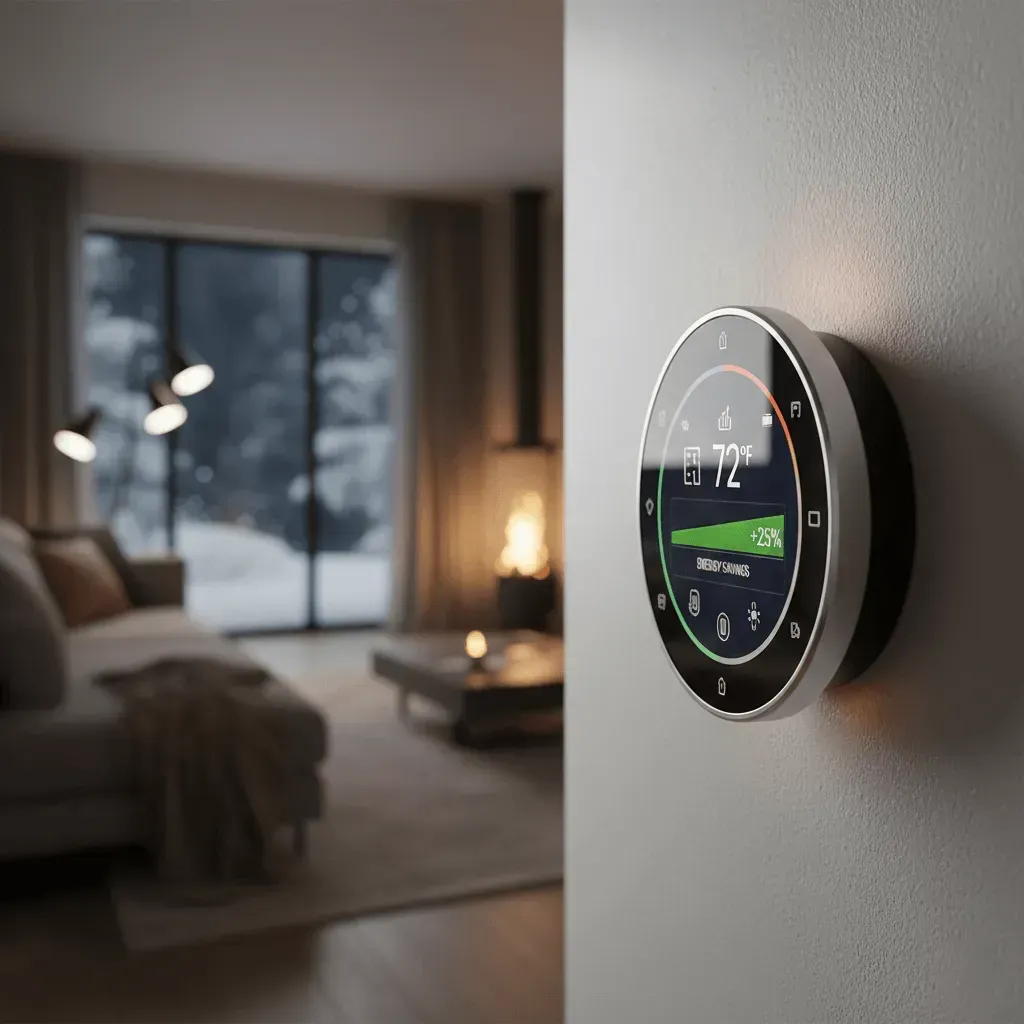
Radiant heating doesn’t just feel good, it can also be easier on your wallet in the long run. While it may cost more to install, many homeowners experience noticeable energy savings over time.
How It Saves Energy
Radiant systems heat objects and people directly, so the room feels warmer even when the thermostat is set lower. This allows you to run your system at lower temperatures than a traditional HVAC setup.
Here’s why radiant heating is more efficient:
- No heat loss through ducts
- Fewer cycles to maintain a steady temperature
- Zoning options allow you to heat only the rooms you use
In well-insulated homes, radiant heating can reduce energy usage by 15% to 30%, depending on the system type and how it's used.
Electric vs Hydronic Energy Costs
- Electric radiant heating costs more to operate per square foot, especially in large areas.
- Hydronic systems are cheaper to run and ideal for whole-house heating.
Pairing your system with a smart thermostat adds another layer of savings by allowing you to schedule heating by time or room.
Maintenance and Longevity
One of the most attractive features of radiant heating is its low maintenance needs. Unlike forced-air systems, there are no moving parts, filters, or ducts to maintain.
Electric Systems
Electric radiant heat requires almost zero maintenance. Once installed, it can run for decades without needing repairs. Check the thermostat or floor sensor now and then.
Hydronic Systems
Hydronic systems may need occasional boiler maintenance, pressure checks, or flushing, but these are infrequent and typically inexpensive. The tubing itself is designed to last a long time if installed correctly.
Since hydronic radiant systems depend on water circulation, being aware of common hot water tank leakage issues can help prevent system downtime.
How Long Does It Last?
- Electric systems last about 20–30 years.
- Hydronic systems can last 30–40 years or more.
- Boilers typically last 15–25 years, depending on usage and maintenance.
With proper care, radiant heating systems often outlive traditional systems, making them a smart investment for long-term homeowners.
Pros and Cons of Radiant Heating
Before wrapping up, it’s helpful to weigh the pros and cons. No system is perfect, but radiant heating checks a lot of the right boxes.
Pros
- Silent operation—no fans or blowers
- Even heat—no cold spots or drafts
- Low maintenance—minimal upkeep required
- Energy-efficient—lower long-term energy bills
- Better air quality—no allergens or dust circulation
- Long lifespan—outlasts most forced-air systems
- Zoning flexibility—heat only the rooms you need
- Comfort—warm floors in the winter feel amazing
Cons
- High upfront costs, especially for hydronic systems
- Installation can be disruptive in retrofits
- Not ideal for thick carpet or solid hardwood floors
- Slower to heat than forced air
DIY installation is difficult, especially for hydronic systems
Is Radiant Heating Worth the Investment?
So, is radiant heating actually worth it? The answer depends on your goals, but in many cases, the benefits clearly outweigh the drawbacks.
If you’re building a new home or doing a significant renovation, radiant heat makes a lot of sense. You’ll enjoy a cleaner, quieter, and more comfortable home with lower operating costs and very little maintenance.
Even if you’re not ready to go all-in, starting with a single room like a bathroom or kitchen can give you a taste of the luxury and help you decide if expanding is the right move.
If you’re looking for long-term comfort, energy savings, and a modern heating solution, radiant heating is absolutely worth the investment.
Frequently Asked Questions (FAQs)
1. Is radiant floor heating expensive to run?
Hydronic systems are cost-effective to operate, especially in larger homes. Electric systems can be more expensive if used for whole-house heating, but are fine for small rooms.
2. How long does radiant heating take to warm a room?
Electric systems typically take 30 to 60 minutes. Hydronic systems take a bit longer to heat up but retain heat well, so they stay warm with less energy.
3. Can radiant heating be used as the primary heat source?
Yes, especially hydronic systems. In well-insulated homes, radiant heating can replace traditional systems entirely.
4. Does it work with all types of flooring?
Radiant heating works best with tile, stone, engineered wood, and some vinyl. Thick carpets or solid hardwood can reduce efficiency.
5. Is it safe for kids and pets?
Yes. Radiant heating has no exposed parts or hot surfaces, making it safe for families with children and pets.
6. Can I install radiant heating myself?
Electric systems can sometimes be DIYed in small spaces, but hydronic systems require professional installation.
7. How much does radiant floor heating increase home value?
While it depends on your market, many buyers see it as a premium upgrade and may be willing to pay more for a home that includes it.
8. Can I use radiant heating with solar panels?
Yes. Hydronic systems can be paired with solar water heaters, and electric systems can use solar-generated electricity.
9. Will radiant heating work in an older home?
Yes, but the installation will be more complex and expensive due to the removal of flooring and possible structural adjustments.
10. Is radiant heating better than forced air?
In terms of comfort, quiet operation, and air quality—yes. It’s also more efficient, though more costly to install upfront.
You might also like