How Does a Furnace Work? The Complete Homeowner’s Guide
If you live somewhere with icy winters, your furnace is one of the most important systems in your home. It keeps every room livable and every night comfortable. Yet most homeowners only think about it when it stops working.
According to the U.S. Department of Energy, heating accounts for roughly 42 to 51 percent of total residential energy use in colder climates. Even a small reduction in efficiency can quietly raise your energy bill by hundreds of dollars each year.
You might be thinking, "I just want it to work; I don’t need to know the science." That’s completely fair. Still, a little knowledge can help you lower costs, avoid breakdowns, and extend your system’s lifespan.
Let’s look at what is really going on inside that big metal cabinet in your basement.
What a Furnace Actually Does
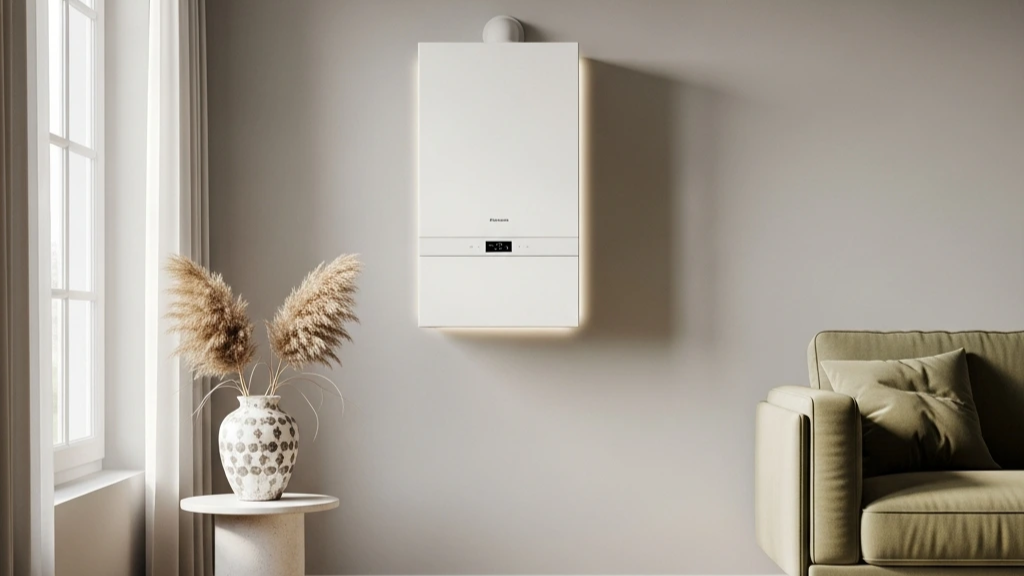
A furnace is the central part of a forced-air heating system. It pulls in cool air, heats it, and circulates that warm air throughout your home using ducts and vents.
Every furnace follows the same basic principle of heat transfer, but the way it produces heat depends on the type of energy source.
| Type of Furnace | Fuel Source | Efficiency (AFUE) | Average Lifespan | Installed Cost (USD) |
|---|---|---|---|---|
| Natural Gas | Gas line | 90–98% | 15–20 years | 3,500–7,500 |
| Electric | Electricity | 95–100% | 20–30 years | 2,000–5,000 |
| Oil | Heating oil | 80–90% | 15–25 years | 4,000–8,000 |
| Propane | Stored propane | 85–95% | 15–20 years | 3,000–6,000 |
If you live in a region with long, cold winters, a natural gas furnace usually offers the best balance between performance and cost. Electric models are more common in warmer regions or in homes without gas service.
Now let’s explore what actually happens when your furnace turns on.
How a Furnace Works Step by Step
What happens the moment you set your thermostat a few degrees higher? Here’s how it unfolds in about half a minute.
- The thermostat activates the system. When the air temperature drops below the set point, your thermostat sends a signal for the furnace to start heating.
- The ignition system starts up. Older units use a pilot flame while newer furnaces rely on electronic ignition, which improves safety and energy efficiency.
- The fuel combusts. Air and gas mix in precise ratios and burn inside the combustion chamber.
- The heat exchanger transfers energy. This sealed metal component heats up and transfers warmth to the air passing over it.
- The blower fan pushes the air through ducts. Warm air moves through your home, raising the indoor temperature evenly.
- Exhaust gases exit through a vent. Any combustion byproducts are safely vented outdoors through a flue pipe.
All of this happens automatically, controlled by sensors and safety switches that ensure efficient operation.
Think about this: while the system runs, the blower motor moves between 1,200 and 2,000 cubic feet of air per minute. That’s enough to refill the entire air volume of most homes several times each hour.
Key Parts That Keep Your Furnace Alive
Each furnace contains several components that need to work together perfectly.
| Component | Main Function | Signs of Trouble |
|---|---|---|
| Thermostat | Controls temperature | Inconsistent heating |
| Heat Exchanger | Transfers heat safely | Cracks or corrosion |
| Burners | Produce heat from fuel | Flickering or yellow flame |
| Ignitor or Pilot | Lights the burners | Clicking but no ignition |
| Blower Motor | Circulates air | Weak airflow |
| Filter | Traps dust and debris | Reduced air quality |
| Vent or Flue | Releases exhaust gases | Soot or condensation |
Now let’s get real. If one of these parts stops working correctly, the rest of the system will have to work harder to compensate. That usually means higher bills and shorter equipment life.
The Furnace Filter Small Part Big Impact
The air filter is the most underappreciated part of any furnace. Its job is to trap dust, pollen, and pet dander before the air reaches your furnace components.
When the filter gets clogged, air can’t flow freely. The furnace must work harder to push air through, and that drives up energy use.
Research by Energy Star shows that a blocked filter can reduce airflow by up to 50 percent. That can increase energy consumption by 10 to 15 percent and shorten furnace life.
How Often to Change the Filter
| Home Type | Recommended Change Interval |
|---|---|
| Apartment or single occupant | Every 3 to 4 months |
| Family home without pets | Every 2 to 3 months |
| Home with one or two pets | Every 1 to 2 months |
| Allergy or asthma-prone home | Every 30 days |
You might be thinking it sounds excessive to change a filter every month. In reality, it depends on air quality. If you notice dust buildup around vents or hear your blower running longer than usual, that’s your furnace hinting that it’s time for a change.
Expert tip: Write the replacement date on the edge of the filter so you can check it at a glance.
How to Replace a Furnace Filter Safely
You don’t need a technician for this task. Just follow these steps carefully.
- Turn off the furnace to prevent airflow during the process.
- Locate the filter slot, usually near the blower compartment.
- Slide out the old filter and check the airflow direction arrow.
- Insert the new one with the arrow pointing toward the furnace.
- Turn the system back on and check for smooth airflow.
You might be wondering which way the filter should face. The arrow always points toward the furnace, not toward the duct. This direction allows air to pass through the filter before reaching the blower motor.
If you install it backward, airflow drops and dust bypasses the filter entirely.
Real Example How Filter Neglect Impacts Efficiency
Imagine your gas furnace is rated at 95 percent AFUE, which means it converts 95 percent of fuel energy into usable heat. If you forget to change your filter and airflow drops by 40 percent, that efficiency can fall to around 80 percent.
For a typical household spending 1,500 dollars on gas each year, that loss equals about 225 dollars in wasted fuel. Over ten years, the cost of skipped filter changes could exceed 2,000 dollars.
Now let’s get real. Changing a 20 dollar filter every few months is a much better investment than paying hundreds for extra gas or blower repairs.
How Long a Furnace Lasts According to Real Data
Furnace lifespan depends heavily on maintenance quality, usage time, and fuel type.
| Furnace Type | Typical Lifespan | Well-Maintained Lifespan |
|---|---|---|
| Gas | 15–20 years | Up to 25 years |
| Electric | 20–30 years | 30+ years |
| Oil | 15–25 years | Up to 28 years |
| Propane | 15–20 years | 22 years |
According to the Air Conditioning, Heating, and Refrigeration Institute, annual maintenance can extend furnace life by as much as 30 percent. That means the difference between replacing a furnace at year 15 or keeping it running efficiently until year 22.
Have you ever noticed how your energy bill creeps up slowly even when you don’t change your thermostat settings? That’s often a sign that your system’s efficiency is fading with age.
When to Consider a Replacement Instead of Repairs
Think about this scenario. Your furnace is 16 years old, it’s starting to make odd noises, and you’ve called for repairs twice in one winter. Should you fix it again or invest in a new one?
Here’s a useful rule of thumb. If repair costs exceed 50 percent of the price of a new unit, replacement is the smarter choice.
Other warning signs include uneven room temperatures, unusual odours, frequent cycling, or visible rust.
Replacing a furnace might sound like a big expense, but a new high-efficiency model can lower heating bills by up to 30 percent. In many regions, that means recouping the cost within five to seven years.
What You Can Expect to Pay for a New Furnace
The total cost depends on the furnace type, size, and efficiency level.
| Type of Furnace | Installed Cost (USD) | Notes |
|---|---|---|
| Electric | 2,000–5,000 | Easiest to install but higher running cost |
| Gas | 3,500–7,500 | Common in cold regions |
| Propane | 3,000–6,000 | Best where gas lines are unavailable |
| Oil | 4,000–8,000 | High heat output, high fuel cost |
In Ontario, the average cost of a standard 90 percent efficient furnace is between 4,000 and 6,000 Canadian dollars. High-efficiency systems with AFUE ratings above 95 percent range from 6,500 to 8,500 Canadian dollars.
Homeowners who upgrade from an older 80 percent furnace to a 96 percent model typically save between 250 and 400 dollars per year on heating costs.
Think about this. If you plan to stay in your home for the next decade, the efficiency savings can easily outweigh the higher upfront price.
Making the Most of Your Furnace Efficiency
Energy efficiency is not just a buzzword. It is measurable, practical, and directly linked to how much you pay each month.
The key metric for furnace efficiency is AFUE, which stands for Annual Fuel Utilization Efficiency. It represents the percentage of fuel energy that becomes usable heat.
For example, a furnace with 95 AFUE converts 95 percent of its fuel into heat, losing only 5 percent through exhaust.
| AFUE Rating | Efficiency Level | Expected Fuel Savings Compared to 70 AFUE |
|---|---|---|
| 70% | Standard (Older Units) | Baseline |
| 80% | Mid-Efficiency | 12–15% savings |
| 90–94% | High Efficiency | 25–30% savings |
| 95–98% | Premium Efficiency | 30–40% savings |
If your furnace is over 15 years old, upgrading from 70 to 95 AFUE can reduce gas consumption by roughly one-third.
Real Example
A family in Calgary replaced their 75 AFUE furnace with a 96 AFUE model. Their winter gas bill dropped from about 185 dollars per month to 130 dollars, saving roughly 660 dollars per year.
You might be wondering if it’s worth replacing a working furnace just for better efficiency. If you live in a cold climate where your furnace runs for five or more months each year, the energy savings usually offset the investment within five years.
Smart Thermostats and Energy Control
You can improve furnace performance even further with a smart thermostat. These devices learn your schedule, track weather patterns, and adjust temperatures automatically.
Measured Benefit
According to Energy Star data, households using programmable or smart thermostats save between
8 and 12 percent on heating costs annually.
Imagine setting your home to warm up just before you wake up and cool down while you’re at work. You stay comfortable while using less fuel.
Pro Tip
Keep your thermostat at around
20 degrees Celsius (68 Fahrenheit) when you’re home and lower it to
17 degrees Celsius (63 Fahrenheit) while you sleep or are away. Even small adjustments like this can save around 2 percent per degree lowered for eight hours.
Now let’s get real. You do not need a high-end system to make a difference. Even a 100-dollar programmable thermostat can make your heating smarter and cheaper.
Maintenance That Actually Matters
You might be thinking, "I changed my filter; isn’t that enough?" Unfortunately, no. Regular professional maintenance is the secret to a long-lasting, safe, and efficient furnace.
Annual Professional Inspection Checklist
- Inspect the heat exchanger for cracks or corrosion
- Clean and adjust burners
- Check gas pressure and airflow rate
- Tighten electrical connections
- Lubricate motor bearings if required
- Verify safety switches and ignition system
- Test carbon monoxide levels
According to HVAC industry reports, furnaces that receive annual servicing experience 40 percent fewer breakdowns and 10–15 percent lower operating costs than those that are ignored.
Expert Observation
Technicians often find small issues like a misaligned ignitor or a loose wire before they cause full system failure. A 150-dollar tune-up can prevent a 1,500-dollar emergency repair later.
Think about it this way. You service your car every few months to keep it reliable. Your furnace deserves the same attention because it runs for hundreds of hours each winter.
Troubleshooting Common Furnace Problems
Even with good care, furnaces can act up. The trick is to recognize simple issues early.
| Symptom | Possible Cause | Quick Check |
|---|---|---|
| Furnace not starting | Tripped breaker, thermostat batteries, or safety switch | Reset breaker, replace batteries |
| Air not warm enough | Dirty filter or blocked vents | Replace filter, open all vents |
| Strange noises | Loose blower parts or debris | Check panels, call technician if noise persists |
| Pilot light keeps going out | Faulty thermocouple | Requires professional service |
| Short cycling | Clogged filter or dirty flame sensor | Clean or replace filter |
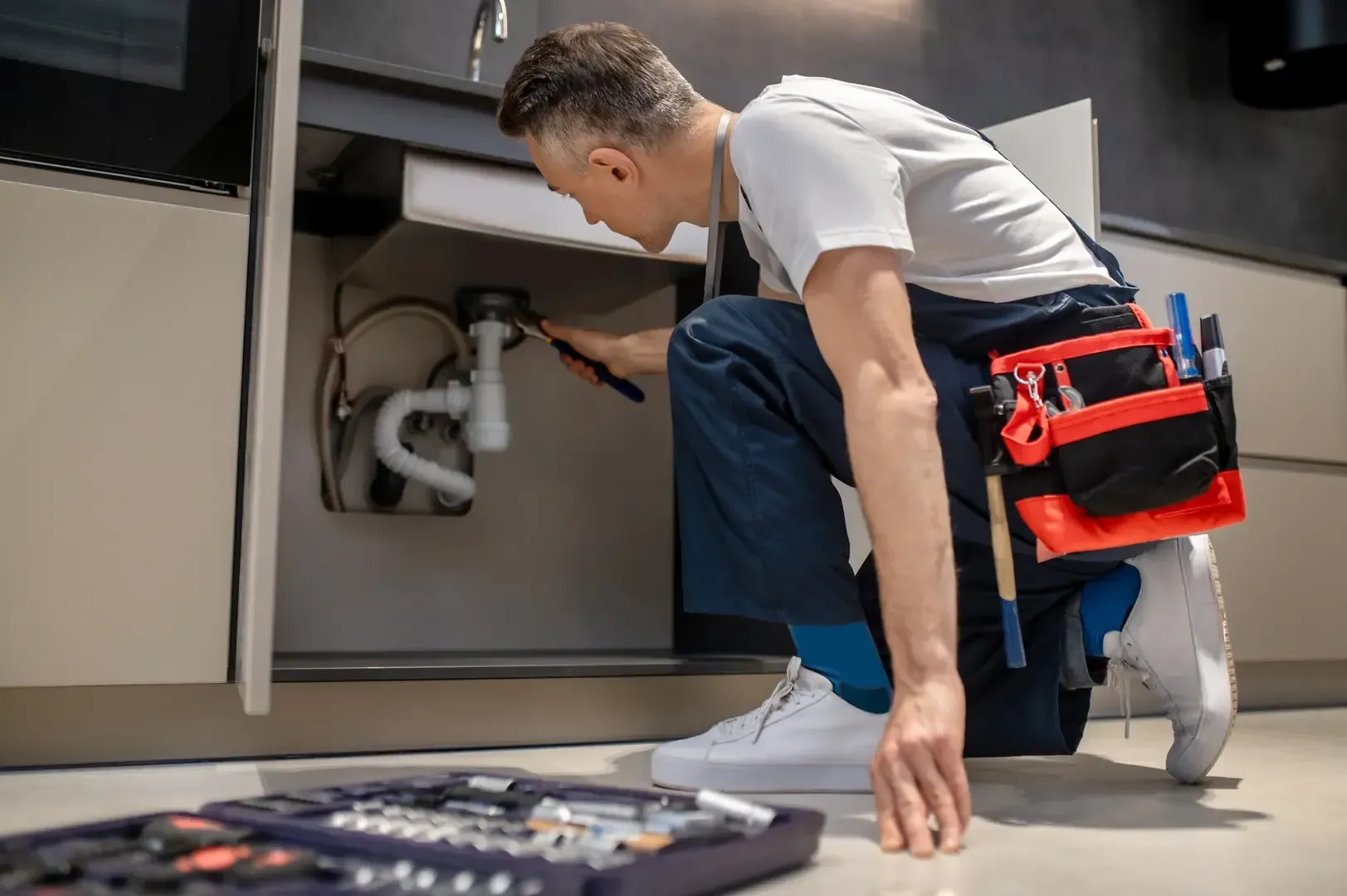
You might be wondering if it’s safe to fix problems yourself. Tasks like filter replacement or thermostat checks are fine for homeowners. A certified HVAC professional should handle anything involving gas, electrical components, or internal parts.
Real Cost of Maintenance Versus Neglect
It can be tempting to skip yearly service to save a few dollars. However, the data shows that neglect usually costs more in the long run.
| Maintenance Level | Average Annual Cost (USD) | Estimated Annual Energy Savings | Projected Furnace Lifespan |
|---|---|---|---|
| None | 0 | 0 | 12–15 years |
| Basic (Filter + Thermostat Check) | 50 | 5% | 17–20 years |
| Full Annual Tune-up | 150–200 | 10–15% | 20–25 years |
Now let’s get real. A furnace tune-up costs about as much as one nice dinner out. But the savings on energy and extended lifespan are worth several thousand dollars over time.
Safety and Air Quality Considerations
You might not realize that your furnace also plays a big role in indoor air quality.
A well-functioning system filters out dust, pollen, and even airborne bacteria. A poorly maintained one can circulate pollutants instead.
Safety Tip
Install a
carbon monoxide detector near sleeping areas. Carbon monoxide is odourless and colourless. Even small leaks can be harmful.
Regular inspections also ensure that exhaust gases are vented properly. If you ever smell gas, turn off the furnace immediately, leave the house, and call your gas provider.
Measured Data
The Centers for Disease Control reports that over 400 Americans die annually from unintentional carbon monoxide poisoning. Many of those cases involve malfunctioning home heating systems.
Renting Versus Buying a Furnace
Some companies offer rental programs to avoid upfront costs. Renting might look appealing at first glance, but always calculate the total cost.
A typical rental costs between 70 and 150 dollars per month. Over a ten-year period, that adds up to 8,400 to 18,000 dollars.
Buying a new furnace usually costs 4,000 to 7,000 dollars and adds long-term value to your home.
Here’s the reality. Renting makes sense only if the agreement covers full maintenance, replacement, and no penalty for early cancellation. Otherwise, ownership is far more cost-effective.
Comparing Furnace Replacement Costs
| Location | Average Installed Cost (Local Currency) | Typical Efficiency Range |
|---|---|---|
| Ontario, Canada | 4,000–8,000 CAD | 90–98% AFUE |
| Midwest USA | 3,500–7,000 USD | 85–96% AFUE |
| Southern USA | 2,500–5,000 USD | 80–92% AFUE |
Real installation costs can vary based on home size, duct design, and energy rebates.
Field Observation
In Ontario, government rebate programs occasionally cover up to 650 dollars for replacing an older furnace with a high-efficiency model. Always check local utility websites before purchasing.
Final Thoughts
Understanding how your furnace works puts you in a stronger position as a homeowner. You are better equipped to spot minor issues early, make smart maintenance decisions, and avoid costly surprises during the coldest months of the year.
Still, even with the best habits, furnaces need professional care from time to time. When inspections, repairs, or replacements are required, working with a trusted local expert makes all the difference.
That is where Marino’s Plumbing stands out. Their experienced team understands real-world heating systems, local climate demands, and the importance of doing the job right the first time.
Whether you need routine furnace maintenance, help choosing a high-efficiency replacement, or expert advice you can actually trust, having a reliable professional on your side gives you peace of mind.
A well-maintained furnace keeps your home warm. The right service partner helps keep it that way for years to come.
Frequently Asked Questions
How often should I change my furnace filter?
Usually every two to three months. Change it monthly if you have pets or allergies.
How long does a furnace last?
Most furnaces last 15 to 20 years. Electric models can last up to 30 years with proper care.
How much does a new furnace cost?
Between 3,500 and 7,500 dollars, depending on efficiency, size, and type.
What temperature should I set my thermostat to?
Around 20 degrees Celsius (68 Fahrenheit) at home and 17 degrees Celsius (63 Fahrenheit) when sleeping or away.
How do I know if my furnace needs to be replaced?
Rising energy bills, uneven heating, frequent repairs, or unusual noises usually signal that replacement is near.
How much does it cost to rent a furnace?
Between 70 and 150 dollars monthly. Buying is generally more economical after five years.
Can I change the filter myself?
Yes. Always turn off the furnace, check the airflow direction, and insert the new filter correctly.
You might also like